The NESTOR project: border surveillance across land and sea
The NESTOR border surveillance project is the most recent of the four profiled here, the shortest at eighteen months, and the only one coordinated by an operating police service rather than a research institute or a manufacturer.
Bridging land and sea surveillance in one programme
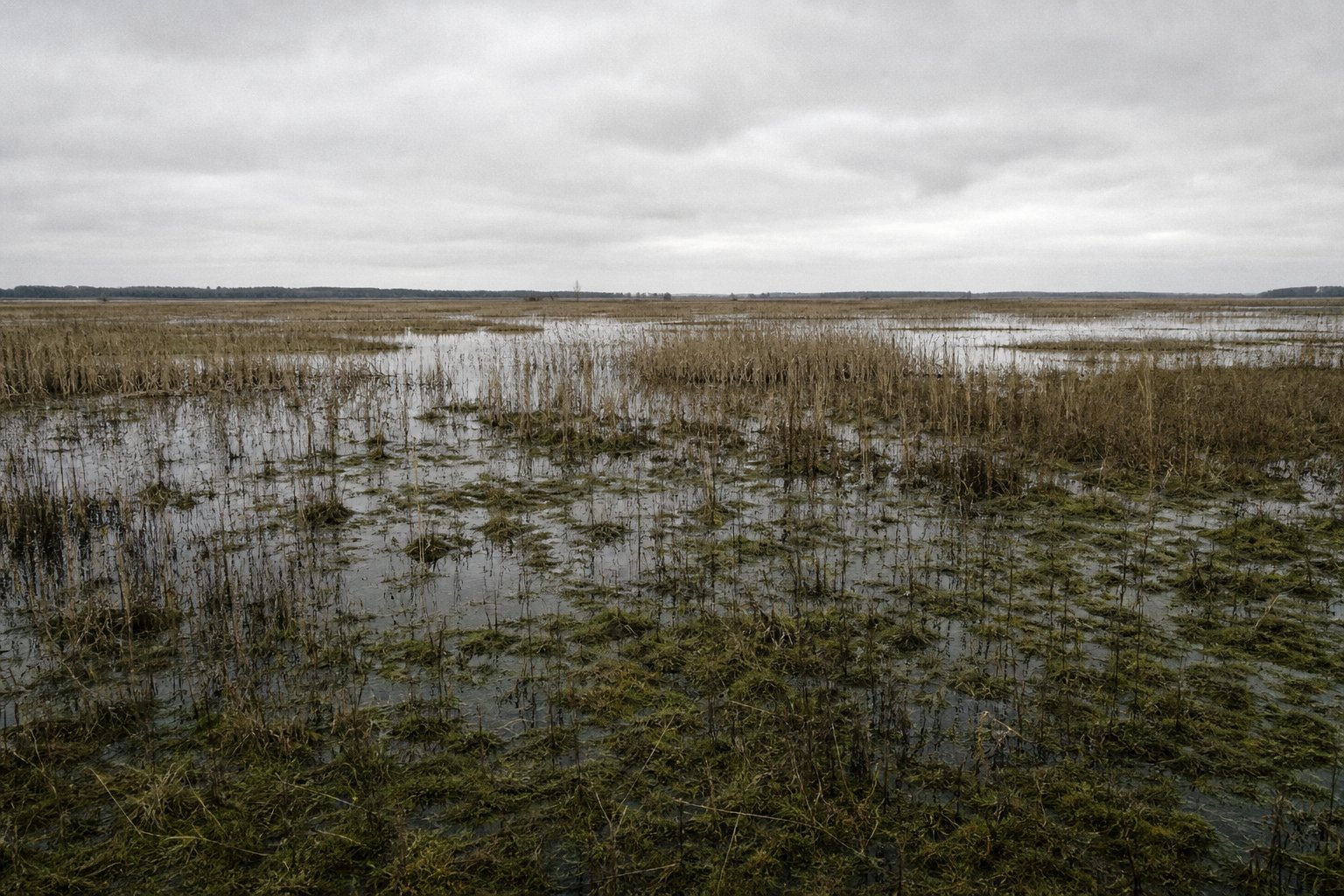
A maritime border and a land border pose opposite sensing problems. At sea there is nothing to hide behind: sightlines are long, radar works well, and the difficulty is distinguishing one small vessel from sea clutter across a very large area. On land the area is smaller and almost none of it is visible from any one point, because terrain removes most of the nominal range.
A programme covering both is therefore not one system applied twice. It is two sensing regimes producing returns that have to reach a common picture, across authorities whose response times, procedures and legal bases differ. The interesting engineering is in the joining rather than in either half.
The NESTOR project coordinator is the unusual part
Every other programme in these dossiers was coordinated by a research institute or a manufacturer: TALOS by an automation institute, ROBORDER by a national research centre, FOLDOUT by an applied-technology institute. NESTOR was coordinated by the Hellenic Police — an authority that operates a border rather than studies one.
That inverts the usual relationship between a consortium and its end users. In the FP7-era arrangement, border authorities sat on an advisory board and told researchers what they needed; here an authority held the grant. Whether that produced a system closer to what an operator wants is not answerable from the public record, and this page does not pretend otherwise. What can be said is that it is a different structure, on a notably short eighteen-month schedule.
Dissemination, and why it belongs in a dossier
Every EU research programme carries a work package for publication, workshops and a project website. It is usually the smallest line in the budget and the first thing to stop when the funding ends. The consequence is systematic: five years after a programme closes, what remains is the grant record, whatever deliverables were actually posted, and — if anyone happened to write about it at the time — some contemporary reporting.
This site has an unusually direct view of that process. It is published on a domain that was itself the dissemination output of a European border-surveillance research project. That project's website carried its objectives, its partner list, its news and its public deliverables, and all of it went when the maintenance stopped. What survives of that programme now survives in the grant record and in archives, not where it was published. The dossier on it was assembled from exactly those remains.
The eighteen-month schedule deserves one more line, because it is short enough to change what a programme can attempt. Where a four-year grant can run requirements, architecture, build, integration and a series of trials in sequence, a programme of this length has to overlap them, and the work that gets compressed is usually integration and testing rather than design. That is a general property of short grants rather than an observation about this one; the public record does not say how it played out here, and this page does not fill that in.
The point is not that anybody behaved badly. It is that the public record of publicly funded research decays by default, and that a reader assessing any of these programmes today is working with what happened to survive rather than with what was published.
What became of it
The NESTOR border surveillance project closed on 30 April 2023, within its planned period, having worked across land and sea. No operational deployment is recorded for the NESTOR project in any public source — the same outcome as the other three dossiers here, and worth reading against the NESTOR project coordinator, who worked a land and sea border daily. Even a programme run by the authority that would use the result ends where the research instrument ends, because procurement is a separate decision on separate money, as set out under funding instruments.
Sources for this dossier
- Grant record, CORDIS project 101021851 — European Commission
- Public deliverables of the programme, where posted
- The consortium's own published description of its objectives and trials
Budget, dates, coordinator and participant count are quoted from the grant record. The registered title is <em>an enhanced pre-frontier intelligence picture to safeguard the European borders</em>; "pre-frontier" means the area beyond the border itself, which is a scope statement worth reading carefully.
Questions about the NESTOR project
What was the NESTOR project?
The NESTOR project was a European research programme on next-generation surveillance spanning land and maritime borders, running into the early 2020s. It sits at the recent end of the arc these dossiers describe, and shares the same structure as its predecessors: consortium, work packages, demonstrations, review.
Who coordinated NESTOR, and why is that notable?
The Hellenic Police — an operating authority rather than a research institute or a manufacturer, which is the reverse of the usual arrangement where authorities advise a consortium from outside. It is the only one of the four programmes profiled here structured that way.
What is different about a land-and-sea programme?
Two sets of physics and two sets of authorities. Maritime surveillance works over a surface with no terrain to hide behind and very long sightlines; land surveillance is dominated by dead ground. Bridging them means a common picture across environments whose sensors, response times and legal frameworks all differ.
Why does this dossier discuss dissemination?
Because it is the part of a research programme that decides whether anyone can read about it in five years, and it is consistently the first thing to disappear. This site exists on a domain that was itself a research project's dissemination output, and whose contents were lost when the funding for maintaining them ended.
Was NESTOR deployed?
No operational deployment of an integrated system is recorded in public sources. The pattern across all four dossiers on this site is the same, for the structural reasons set out under from prototype to deployment.