The ten pages on border surveillance systems, sensors and unmanned platforms
Why coverage and sensor range are different numbers
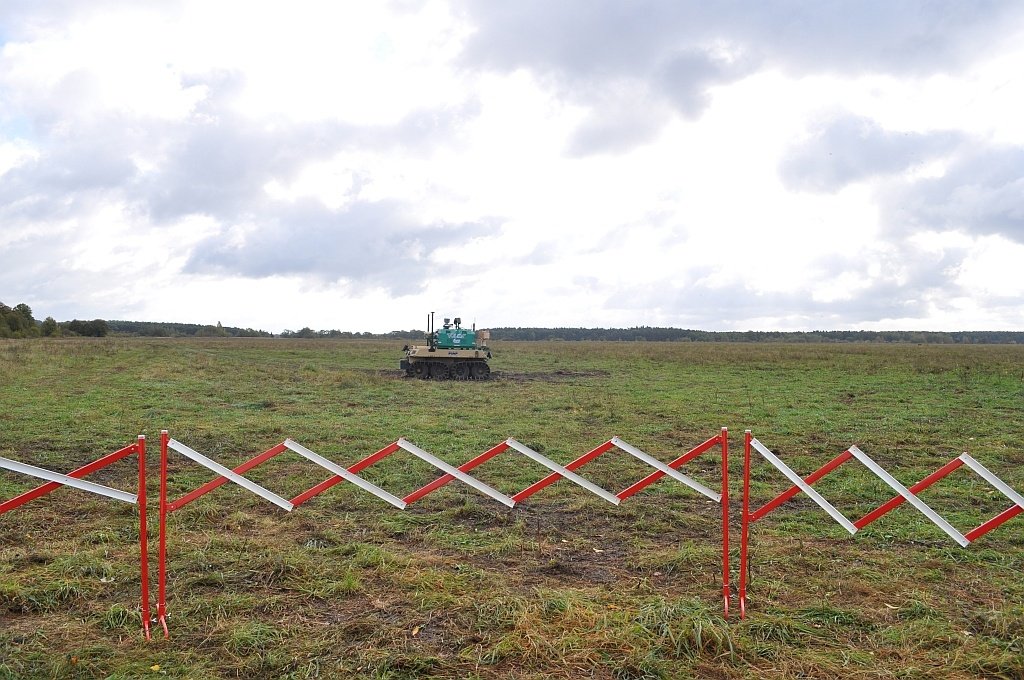
Every page below returns to the same distinction, because almost every public account of border surveillance systems blurs it. A sensor's range is a laboratory property: the distance at which it can resolve a defined target in defined conditions. Coverage is what that sensor achieves from a particular position, on particular ground, in the weather that position actually gets. The first number appears in specifications and press coverage. The second decides whether anything is watched.
The gap between them is made of terrain. A ridge, a treeline, a fold in a field — each creates dead ground inside the nominal range, and dead ground does not shrink because the sensor improves. It is a geometry problem, and it is why two installations with identical equipment can differ by a factor of two in what they observe.
The same logic runs through the unmanned platforms. A machine that can be moved can be moved to see past the ridge, which is the only way to close dead ground without building a second mast. What it cannot do is be in two places at once, so its coverage is a rate — ground observed per hour — rather than an area. Comparing a rate with an area, which is what most side-by-side tables do, produces a meaningless answer.
Weather is the third term, and it is the one that never reaches a published figure at all. Every number quoted for these systems assumes conditions: clear air, a defined target, a defined background. Fog shortens a thermal channel unevenly across its arc. Rain fills a radar return with clutter. Wind in vegetation produces false tracks on a buried line. Nothing about the equipment changes and every one of its stated distances stops describing what it does that night — which is why the pages below quote conditions alongside figures wherever the source allows it, and say so where the source does not.
The fourth term in what a border surveillance system is made of, and the one this section keeps hardest in view, is people. A detection is not an outcome. Somebody has to look at the return, decide what it is, decide whether it matters, and act or not act. Every published figure in this field describes the first quarter of that chain and is routinely read as describing all of it. Where a page below quotes a detection range, it is a claim about a sensor, not a claim about what anybody knew or did.
None of the ten pages on border surveillance systems recommends a system, compares suppliers or argues that a border should be watched. They describe what each kind of equipment can register, under what conditions, and where it stops — which is the part that public accounts leave out and the part that decides everything else.
Questions about border surveillance systems
What is a border surveillance system actually made of?
Four things, in this order: sensors that produce a return, a platform that carries them to a place, a communications link back to a command centre, and people who decide what the return means. Remove any one and the remaining three do nothing useful. Most public description of these systems covers the first and skips the fourth.
Why do unmanned platforms keep appearing in European border research?
Because the alternative scales badly. Fixed installations along an entire land border cost in proportion to its length, and human patrols cost in proportion to the hours watched. An unmanned platform is an attempt to break both relationships at once. Whether it does is a separate question, and the record on that is in the dossiers.
Do more sensors mean better coverage?
Not by themselves. Adding a channel adds returns, and returns that are not correlated add false alarms rather than certainty. Sensor fusion exists because three uncorrelated alarms are worse than one confirmed detection: an operator who stops trusting the system has effectively switched it off.
What does this section deliberately not cover?
Procurement, tenders and supplier comparison, and any assessment of whether a given border should be watched at all. Both sit outside what a reference layer can settle from public documents.